Dogs tend to reveal how a garden really works. They find the fastest route to the gate, the place with the best view, and the spot where the household naturally gathers. Begin a dog-conscious design by observing those habits instead of expecting a new planting scheme to erase them.
Map the behavior you already see
Observe where the dog runs, pauses, digs, watches the gate, or returns to the house. These patterns provide a more useful brief than a generic pet-friendly label. A narrow worn route may indicate a repeated journey; placing delicate planting across it is unlikely to change the underlying habit.
Discuss the actual animal, household routine, and any relevant behavior or health concerns with the appropriate professional. Plant suitability and pet safety need to be checked for the exact species and circumstances, not inferred from a garden's appearance.
Make a plant list someone can check
Keep exact botanical names for proposed plants and garden products, then check them with a veterinarian or the ASPCA's animal poison-control resources as appropriate. A general description such as ornamental grass or lily is too imprecise for that review. Keep the list when plants are replaced later.
Use the dog's actual behavior to decide where further assessment matters. An animal that chews plants, digs beneath gates, or investigates stored supplies presents different planning questions from one that rests beside the table. The layout can make sensible routines easier, but it cannot establish that a plant, product, or boundary is suitable for every dog.
Give resting a place
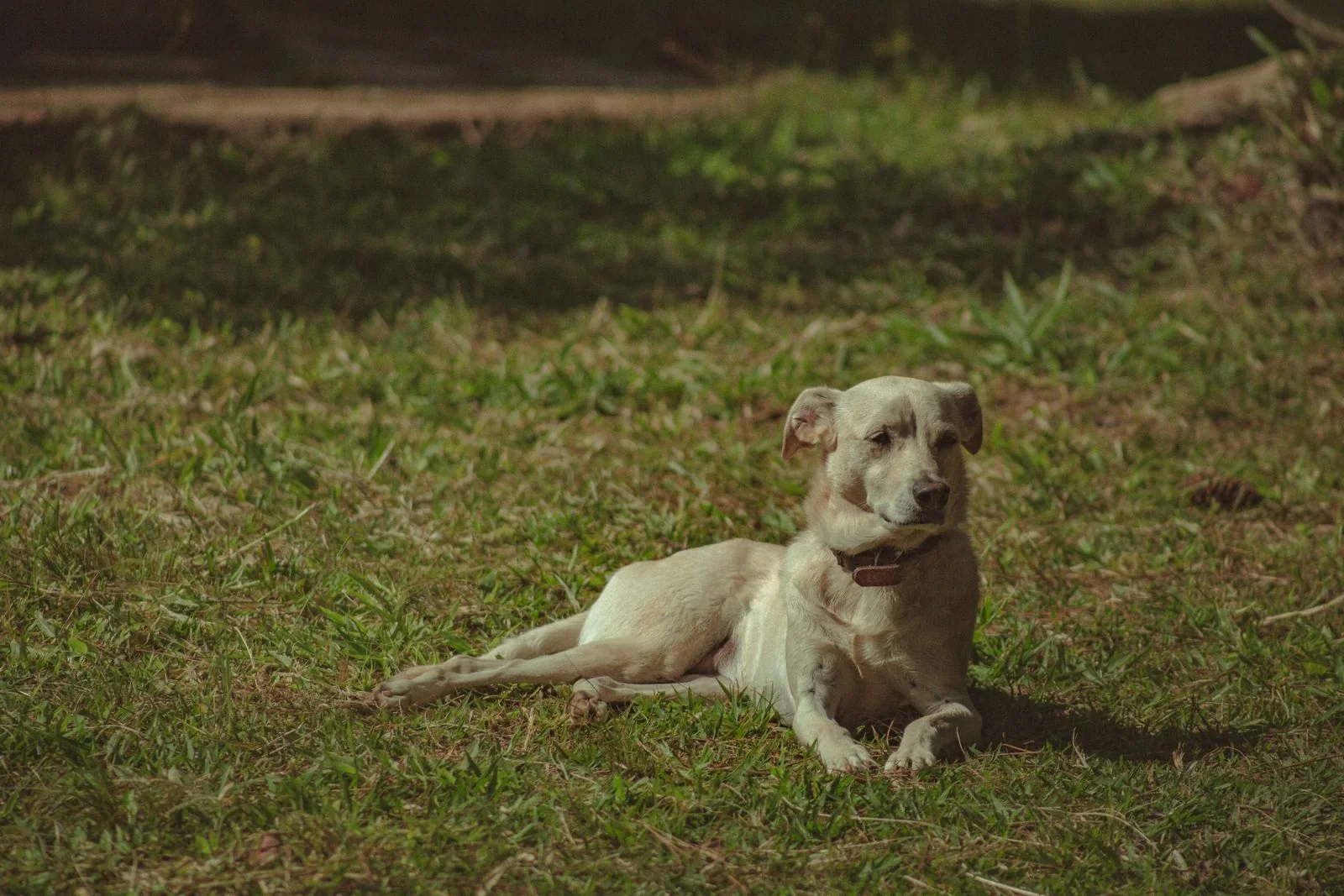
Think about where the dog settles when people are outside. A dedicated resting position near the household may work better than an isolated corner that looks tidy on the plan. Consider shade, drinking-water access, and the way the space changes through the day. Check the arrangement against the needs of your particular dog rather than assuming one layout suits all pets.
Make the return indoors deliberate
A place for drying, cleaning supplies, and outdoor gear can reduce the disruption of wet-weather trips. Keep those items accessible to the household while storing products safely. The route should not require passing through the main dining arrangement every time.
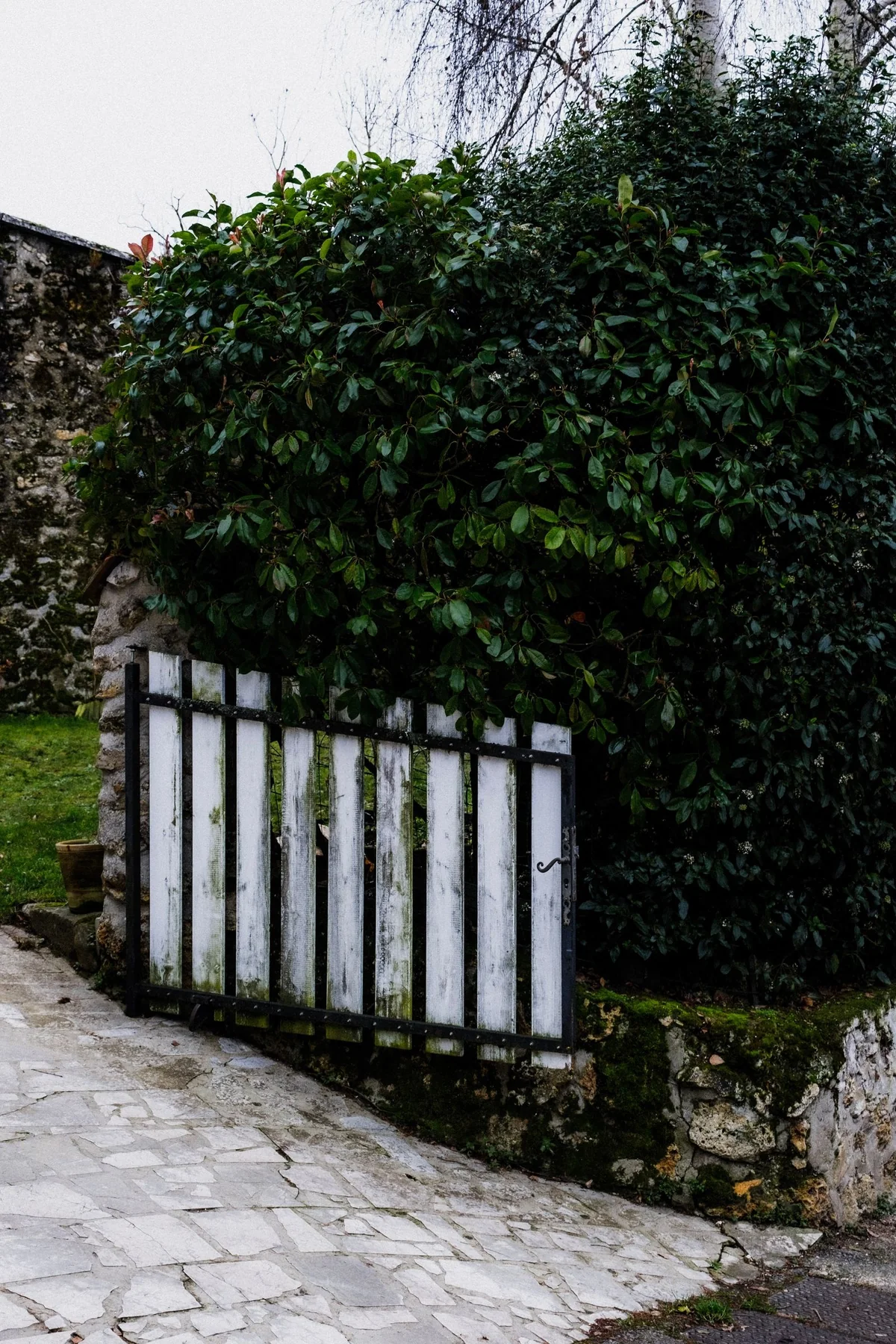
- Review gate operation and boundary condition for the particular dog.
- Provide access to appropriate shade and water as part of the routine.
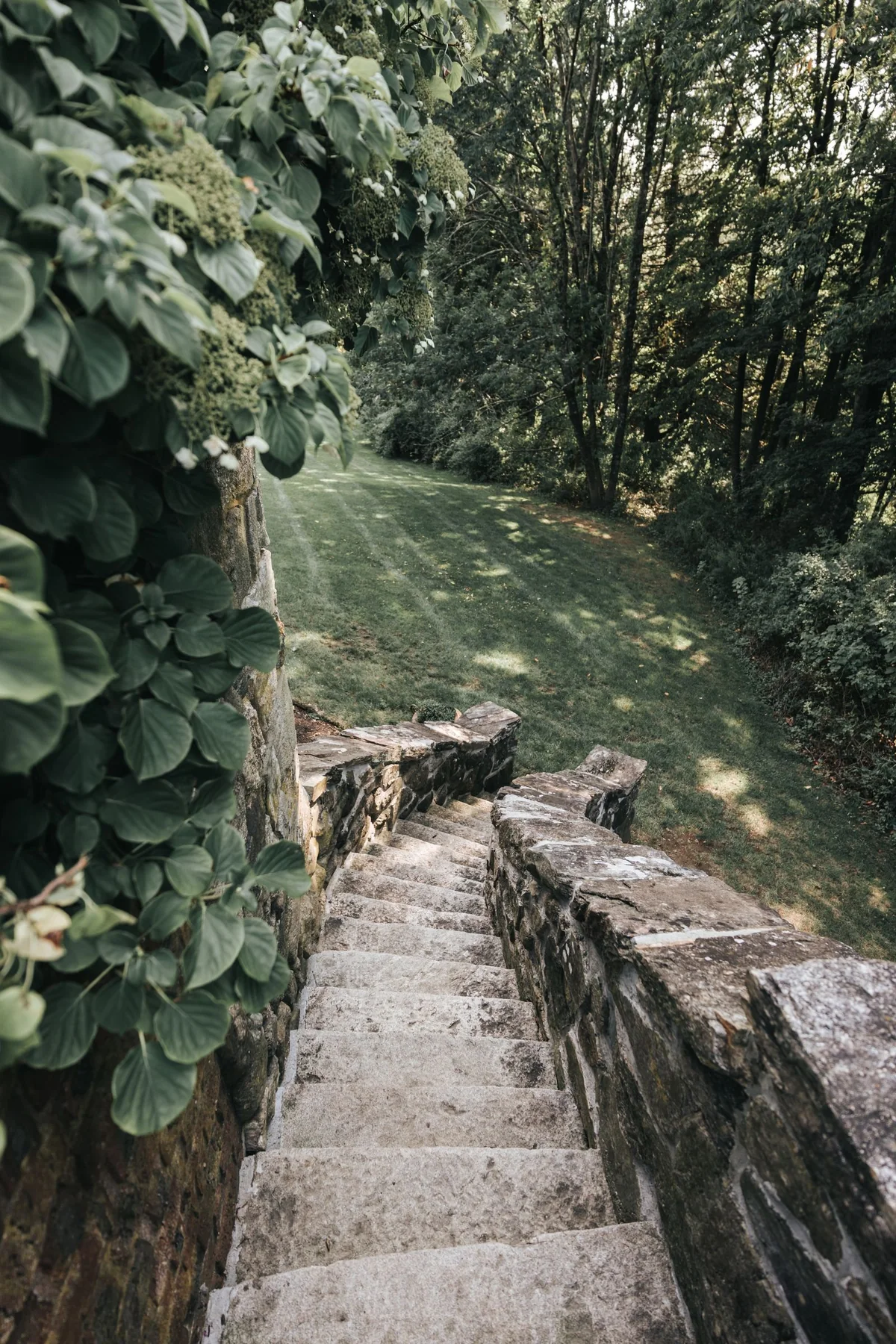
- Compare surfaces in their actual exposure and intended use.
- Keep maintenance and cleaning in the material discussion.
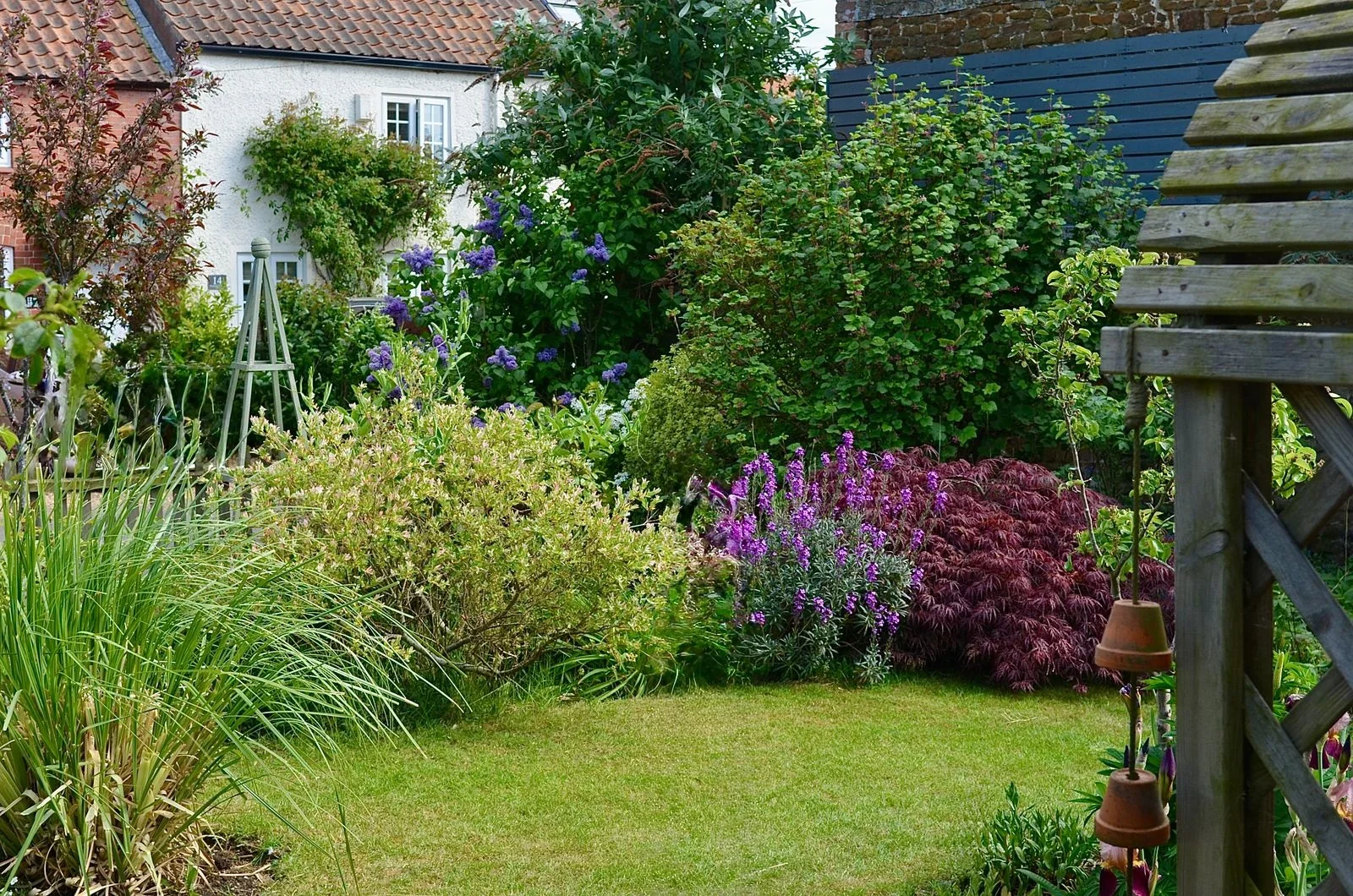
- Protect planting where repeated movement is already established.