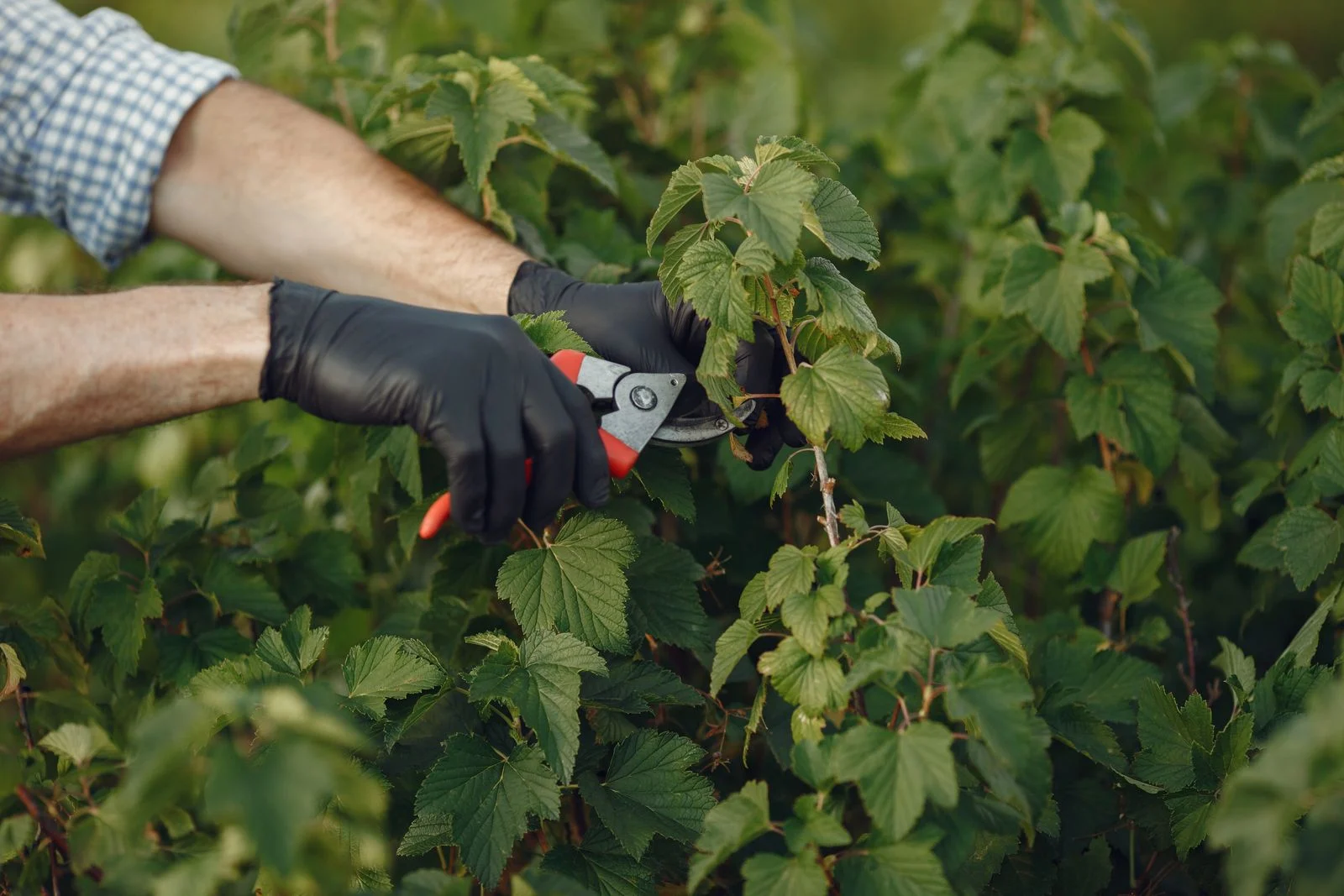
A newly installed garden is the beginning of a living composition. Small plants, visible gaps, and changing seasonal appearances do not necessarily mean the design has failed. The first year is a time to follow the establishment plan, observe, and ask useful questions before making major changes.
Distinguish an intended gap from a concern
Ask the designer to identify where plants are expected to fill out and where open ground is a deliberate part of the composition. Keep the mature planting plan alongside current photographs. This can prevent a temporary gap from being filled with another plant that later creates crowding.
A plant-health concern needs appropriate local advice. Record its location, date, and the surrounding conditions rather than diagnosing it from resemblance to an online image.
Identify the person responsible for adjustments
Ask who checks establishment care, who may change irrigation settings, and how the household reports a concern. If several people help maintain the garden, give them the same current instructions. Conflicting adjustments can make it difficult to understand what a planting is responding to.
Keep a dated note when the routine changes and compare it with photographs of the affected area. At follow-up, ask the team to distinguish expected growth from an issue needing action. A new garden benefits from consistent care and clear observations; filling every gap or changing several settings at once can obscure the information needed to make a useful decision.
Follow the actual care plan
EPA WaterSense emphasizes suitable plants, soil health, and maintenance as parts of water-smart landscaping. For your own garden, obtain establishment instructions specific to the installed plants and conditions. Ask who will monitor watering and make adjustments, especially if irrigation is automated. A general label such as “low maintenance” should not replace this handoff.
Use a first-year observation sheet
| Record | Purpose |
|---|---|
| Repeated viewpoint photographs | Shows development of the whole composition |
| Exact plant names and locations | Makes advice and replacements more precise |
| Care instructions and responsibilities | Keeps establishment work coordinated |
| Dated concerns | Helps the team distinguish a pattern from one moment |
| Agreed adjustments | Prevents conflicting changes by different people |
Keep the follow-up focused
At the review, compare what has happened with the intended development and actual care record. Preserve the relationships that are working while addressing clear issues. The aim is not to make a young garden look instantly mature by filling every visible space.