A plant that survives winter can still struggle beside a hot wall, in a waterlogged bed, or under a thirsty mature tree. Climate is one part of plant selection. The conditions within the yard determine whether a promising choice has somewhere suitable to grow.
Before making a shopping list, make a short description of each planting area. The result should help a local nursery or designer understand the place, rather than simply the look you hope to achieve.
Read the zone for what it measures
The USDA Plant Hardiness Zone Map groups locations by their average annual extreme minimum winter temperature. Zones span 10°F and half zones 5°F. The current map uses the 1991–2020 period. It is a guide to winter cold, not a guarantee of plant survival or a summary of summer heat, rainfall, or soil conditions.
USDA also highlights other influences, including light, soil moisture, wind, and local microclimates. Two yards sharing a zone can offer quite different growing conditions. A zone label is a useful first filter for a perennial plant; it should not end the selection process.
Do not remove a healthy established plant simply because a map or tag seems to suggest a mismatch. Its actual performance is useful evidence. Record how it grows, flowers, and responds through the year, then discuss any concerns with a knowledgeable local source.
Describe the bed, not the whole property
Divide the yard into areas with meaningfully different conditions. The sunny front border and the shaded side passage need separate descriptions even if they are only a short walk apart. Note what you have observed and mark what remains uncertain.
| Site note | What to record | Why it changes the brief |
|---|---|---|
| Light | When direct sun reaches the bed and when it leaves | Morning and late-afternoon exposure may call for different choices |
| Water | Irrigation access and what happens after rain | A dry bed and a persistently wet area need different investigation |
| Surroundings | Walls, paving, trees, wind exposure, and salt exposure where relevant | The immediate setting may differ from the general climate |
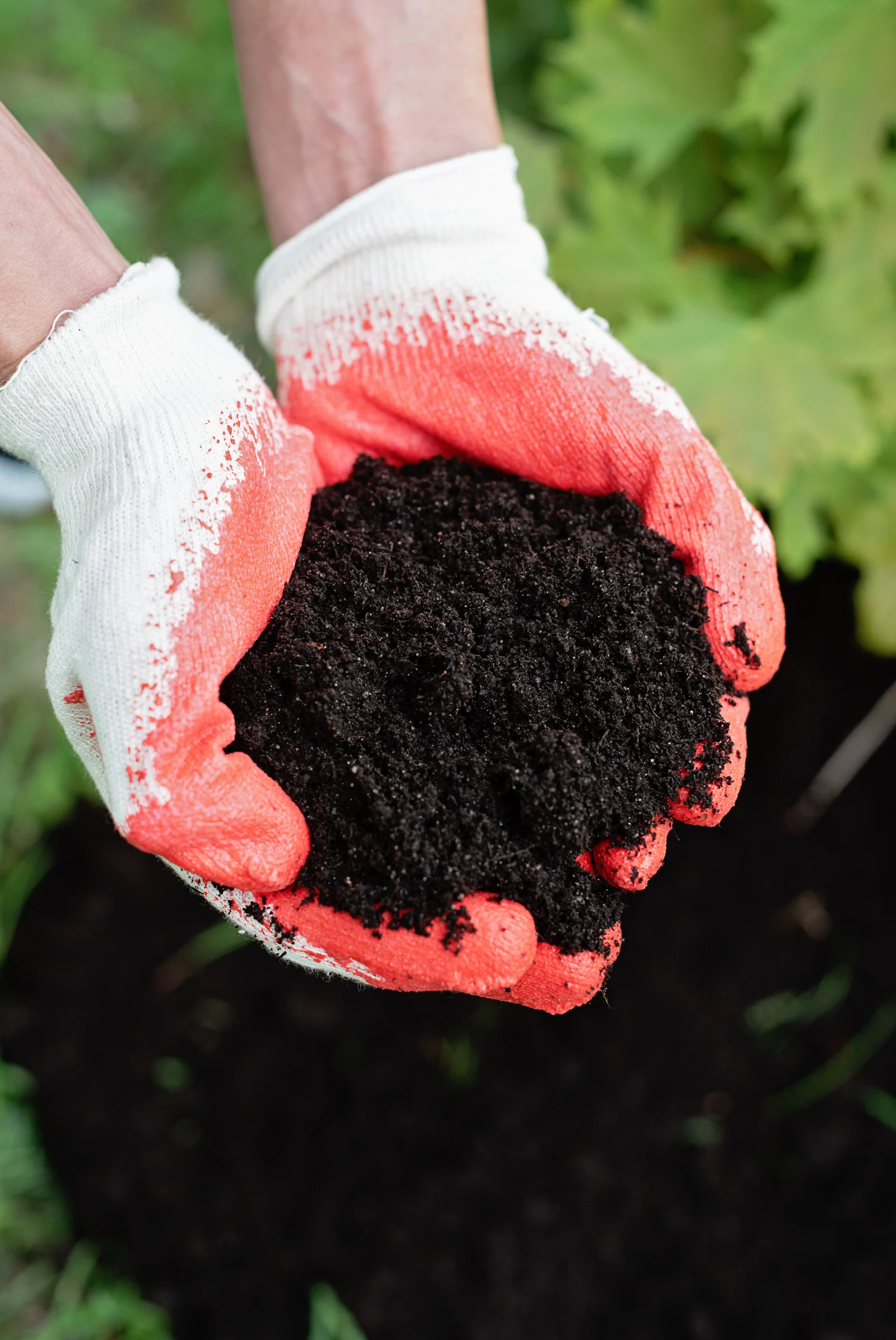
| Soil | The sample area and relevant laboratory report | Plant preferences can be compared with measured conditions |
| Space | Available width and height at maturity | A plant should fit without depending on constant corrective pruning |
| Care | Who will water, prune, and check establishment | The planting must suit the household’s actual routine |
Observe light at the times you can, then return in another season. A single sunny visit does not establish year-round exposure. Photographs taken from the same position help distinguish a changing canopy or shadow from a vague memory of the bed.
Translate inspiration into a local brief
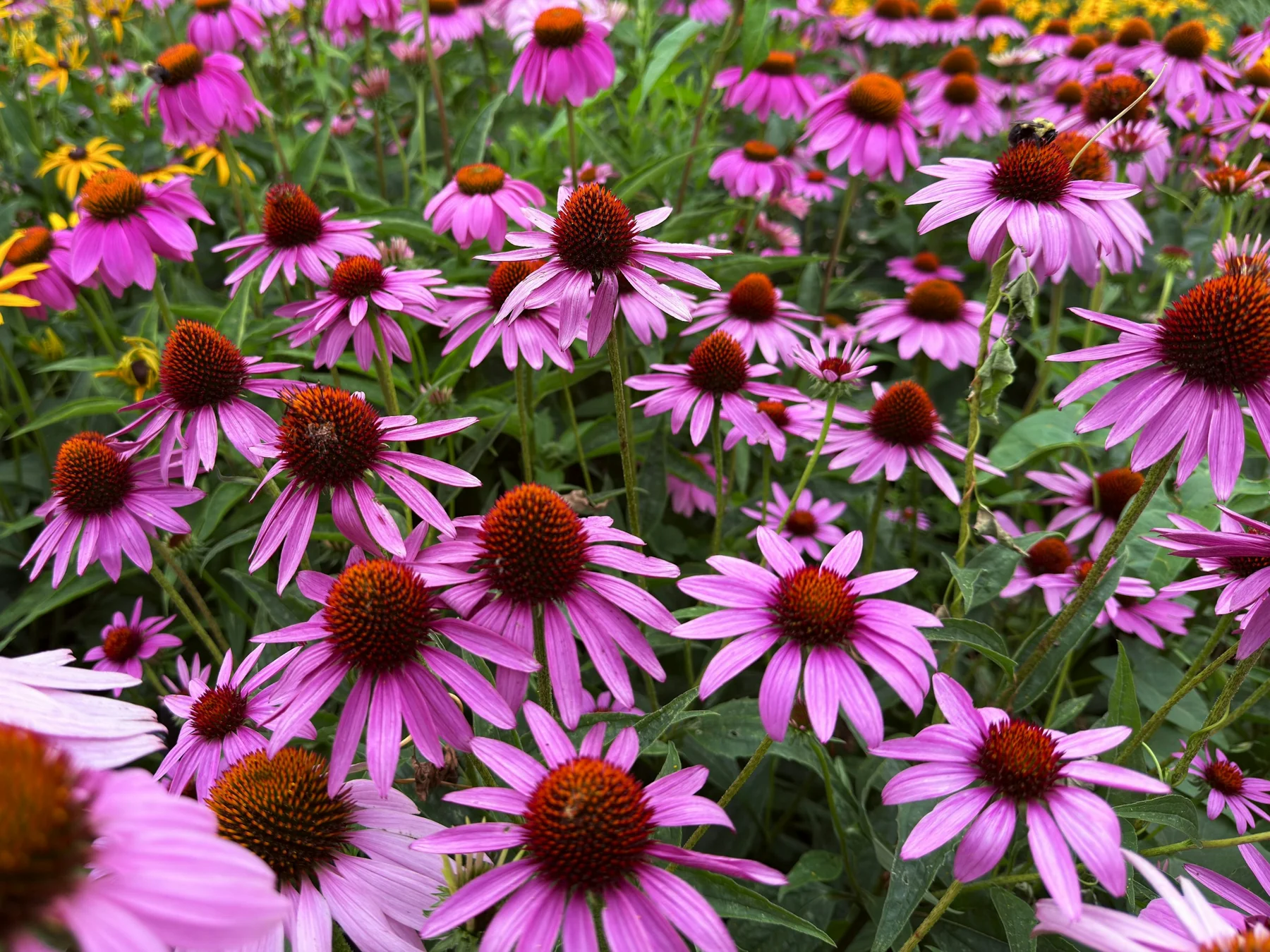
Suppose you admire an airy border with pale flowers and fine foliage. Instead of asking for the exact plants in a photograph from another region, describe those qualities to a local designer or nursery: an open texture, a restrained color range, and movement beside a sitting area. Add your site notes and maintenance limits.
This preserves the design intention while allowing a different plant selection. A desert-inspired composition in a humid climate may need a different palette; a lush border photographed in a mild coastal garden may require a different approach in a cold inland yard. Those are prompts for regional advice, not fixed prescriptions for entire states.
Ask for the plant’s botanical name, mature dimensions, expected seasonal appearance, and the reason it suits the particular bed. Check local invasive-plant guidance before purchase. A label such as “native” needs geographic context; it does not by itself establish suitability for every soil or exposure.
Separate establishment from long-term care
EPA WaterSense recommends choosing plants appropriate to climate and site and grouping them by water needs. Its guidance also distinguishes plant establishment from later care. A planting described as drought tolerant still needs an appropriate establishment plan.
Ask how watering will be adjusted to the soil, weather, and plant response, and who will check it. Avoid accepting an unchanging timer setting as the whole care plan. Where plants with very different needs share a watering area, ask whether the layout should change before installation.
A smaller first planting can be useful when the conditions remain uncertain. Choose a coherent area, record what was planted and how it was cared for, and assess it through the relevant seasons before repeating it across the yard. This is especially helpful when the desired look depends on plants unfamiliar to the homeowner.
Keep a record worth returning to
Save the final plant list with locations and purchase information. Photograph the planting at installation and at useful intervals, noting unusual weather or care changes. If a plant struggles, that record gives the nursery or designer something specific to investigate.
A plant label is a starting point. The light beside the fence, water in the soil, and room left at maturity determine where that plant can live. Keep those observations with the shortlist, and let an unsuitable favorite stay at the nursery.