A first design conversation does not require a complete solution. It benefits from a clear account of how you live, what frustrates you about the existing yard, and what would make the project worthwhile. Your role is to describe the experience you want and the realities the design must address.
Build a brief that allows tradeoffs
An illustrative priority list might put comfortable weeknight dining first, privacy from one neighboring window second, and an outdoor kitchen third. That order gives the designer permission to compare a modest serving counter with a more extensive kitchen if the latter compromises the dining room.
Keep your investment range and timing constraints in the discussion without treating an early idea as a priced specification. Ask what information is needed before the team can evaluate scope reliably. Record assumptions so later comparisons use the same basis.
Write down the constraint you would rather avoid
A difficult equipment route, a tree you will not remove, or a firm spending limit is useful information at the first meeting. Delaying it can lead to a concept that is attractive but unsuitable. Mark what is known, what is approximate, and what still needs professional assessment.
Also state what you are willing to change. You may be flexible about a kitchen's size but committed to comfortable dining for the household. That distinction gives the designer room to propose a different solution without losing the purpose of the project. Keep personal preferences separate from technical conditions that need verification.
Explain the references
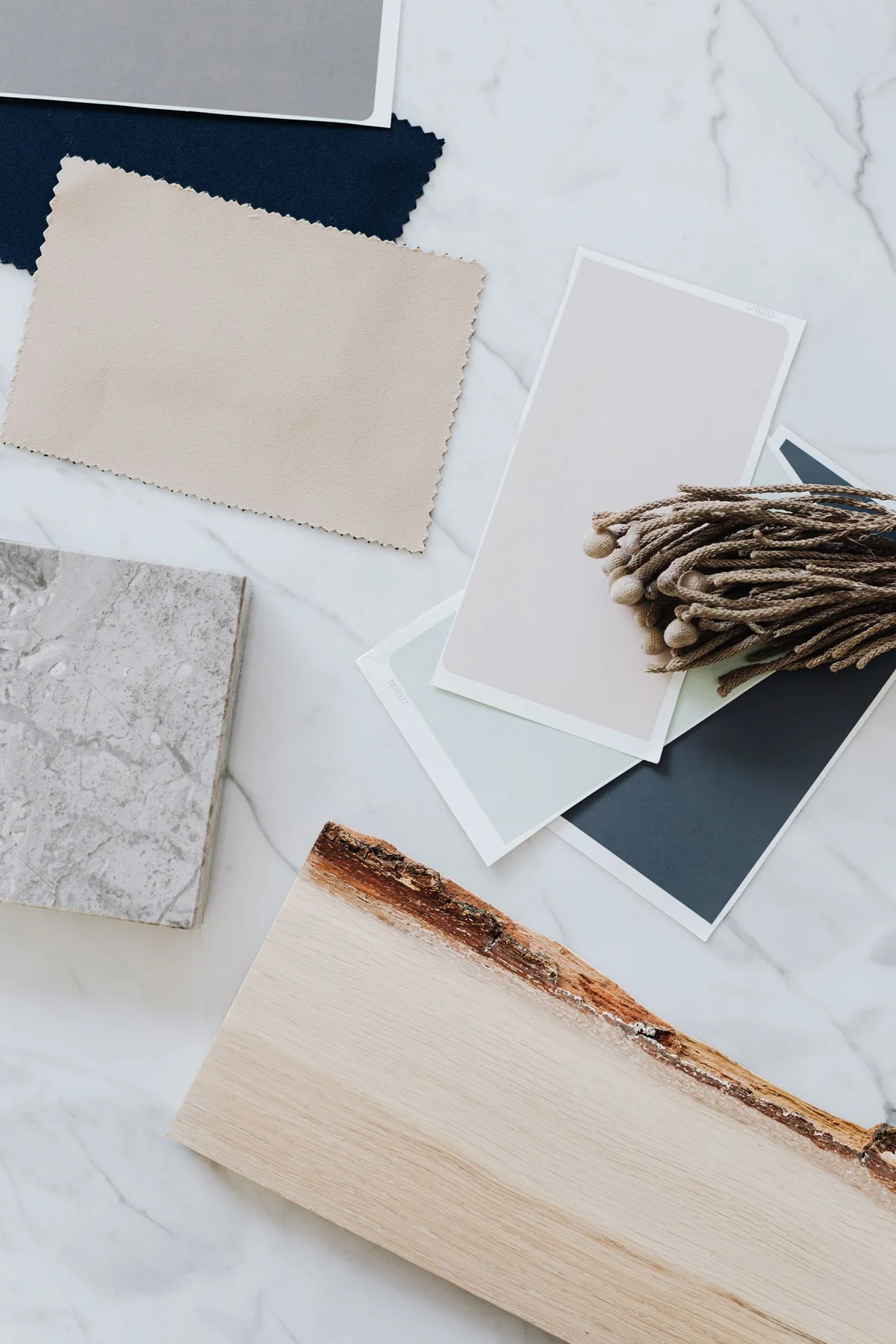
Select a few projects and annotate the particular idea in each. Include the examples that feel wrong and why. A clear preference about enclosure, materials, or maintenance can be more useful than a named style.
Bring a compact evidence pack
- A simple property sketch or available survey, clearly identified by source and date.
- Photographs from the main indoor windows, outdoor seats, and access route.
- Notes on recurring problems, including when and where they happen.
- Dimensions of furniture or equipment you intend to keep.
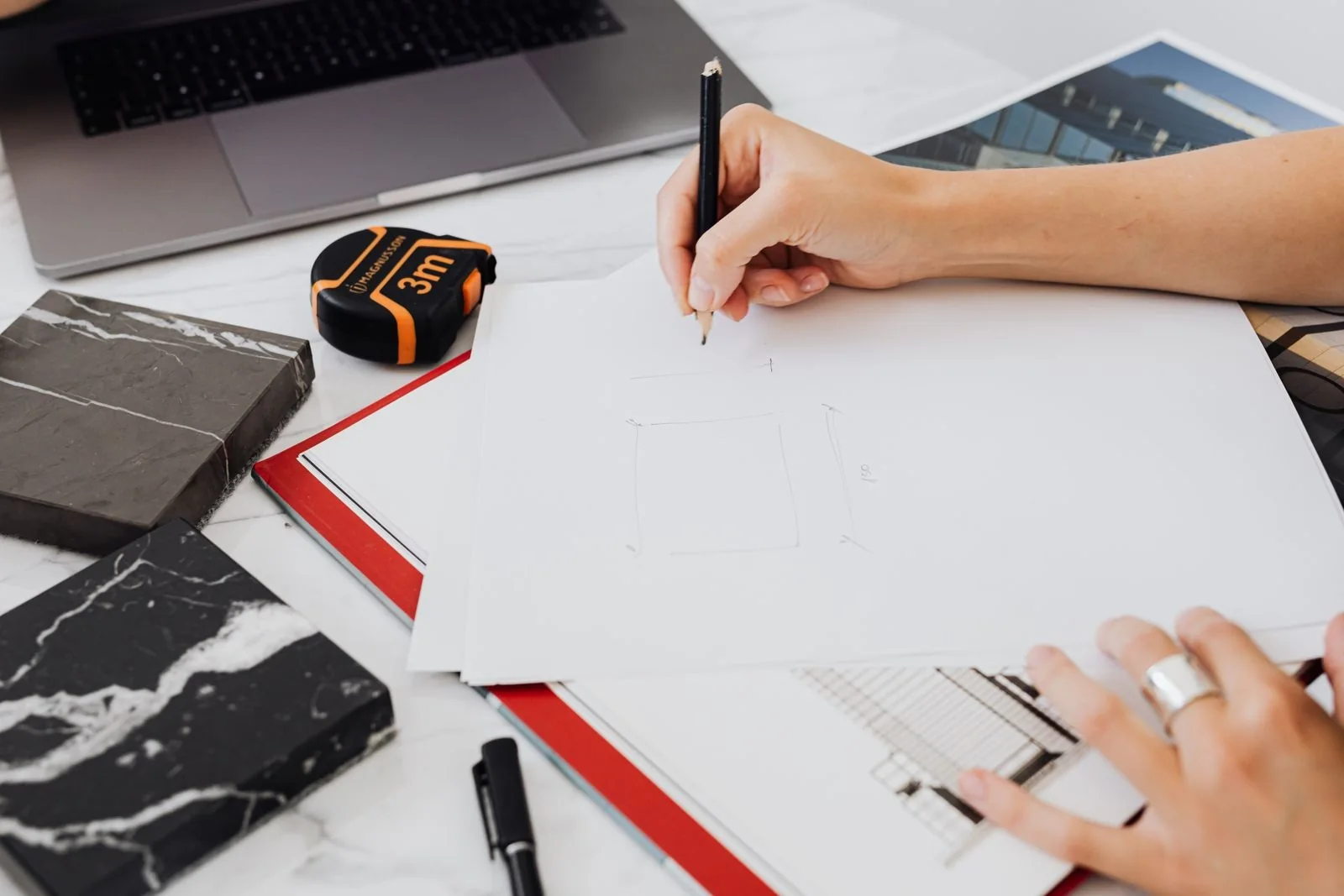
- A short ranked brief and a few annotated references.
End the meeting with a clear next step
Confirm what the designer will prepare, what you need to supply, and which questions remain unresolved. A productive first meeting need not settle the layout. It should establish enough shared understanding that the next drawing answers your actual priorities instead of guessing at them.