A narrow border is often asked to do too much: hide a fence, screen a neighbor, flower all summer, and leave room for the path. Start by choosing its main job. Once that is clear, the planting can become simpler and more convincing.
Choose one primary job
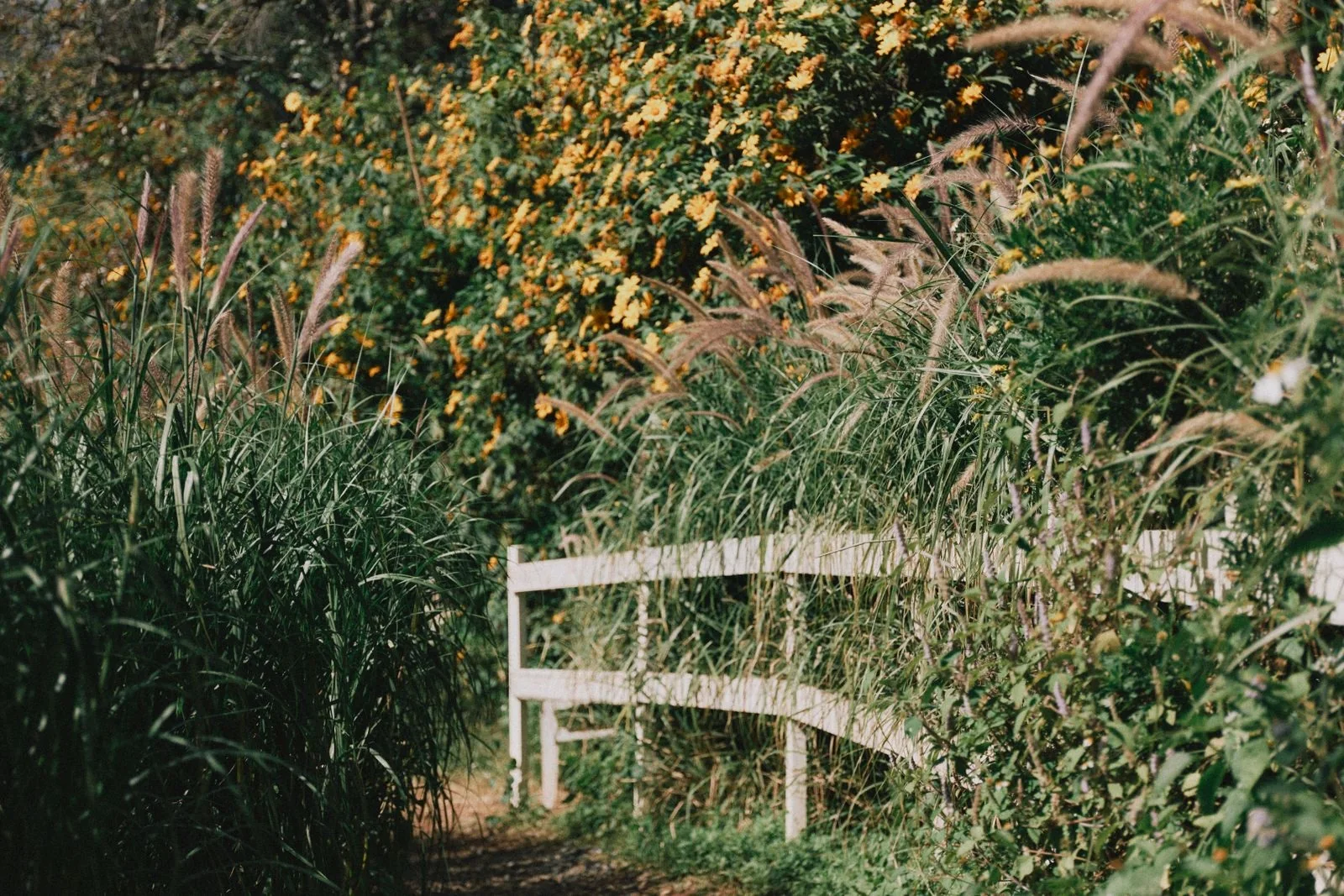
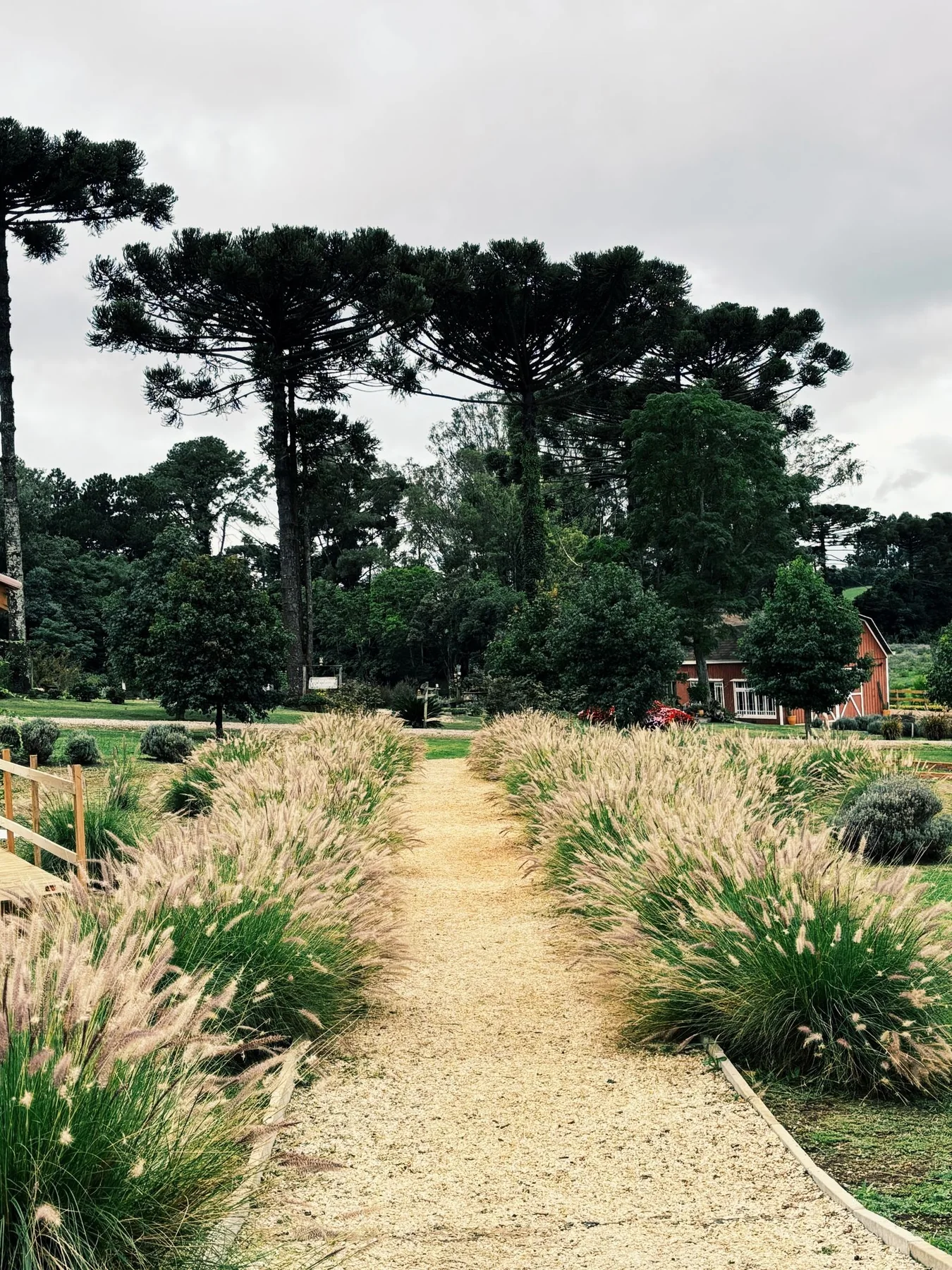
A strip beside a path may need to soften a fence, provide a repeated rhythm, or frame a particular view. Trying to achieve all of those while adding many flowering accents can make the planting feel cramped. Name the most important role and let secondary effects support it.
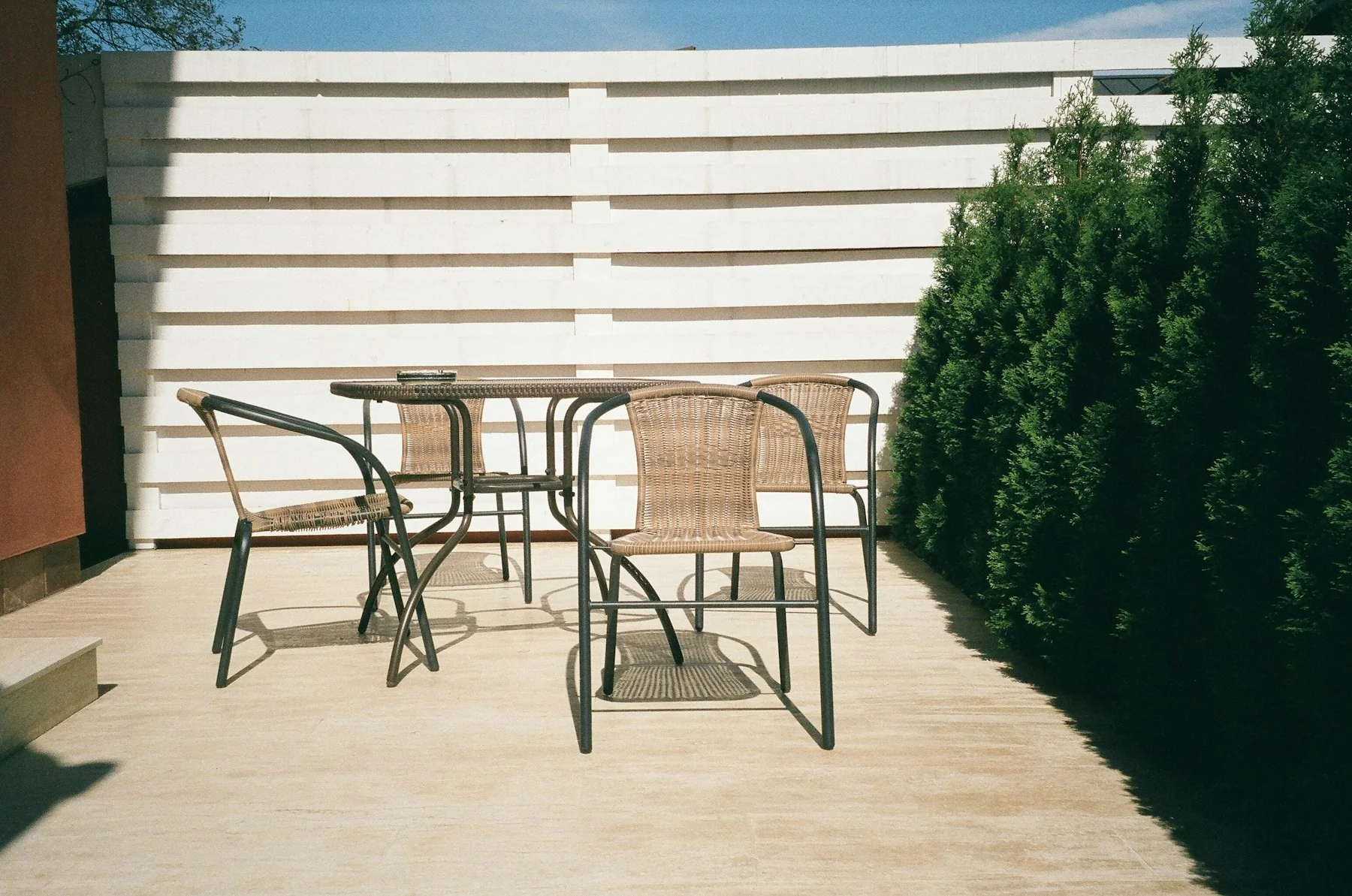
For example, a border intended as a calm background to dining may benefit from repeated forms. A close view beside a reading chair can accommodate finer detail. The same narrow dimensions do not require the same composition.
Check the space left for the path
Draw the plants at the maintained size recommended for the actual species and conditions. Now measure the route that remains. A narrow bed may appear generous with nursery-sized plants while depending on repeated clipping to keep the adjoining passage open.
If the main job is screening, ask whether the strip can support the required height and width without losing access. If it cannot, reconsider the screen's location or the choice of a built element. For a decorative edge, lower repeated forms may do enough. Match the role to the available space before selecting plants for color.
Keep the fence reachable
The border also occupies the space someone will need when a fence panel requires attention. Discuss that access before filling the strip. A continuous dense screen may suit the view from the table while making ordinary repair awkward. Leave a workable approach to gates, posts, and other elements that need care.
- Identify the viewing position that matters most.
- Mark the usable width after required access is preserved.
- Compare a limited repeated palette with a more varied one.
- Leave one deliberate accent rather than many competing focal points.
Look at the fence, plants, and nearby furniture together from seated height. A plan can show every plant fitting while the actual view becomes a continuous wall of competing textures.