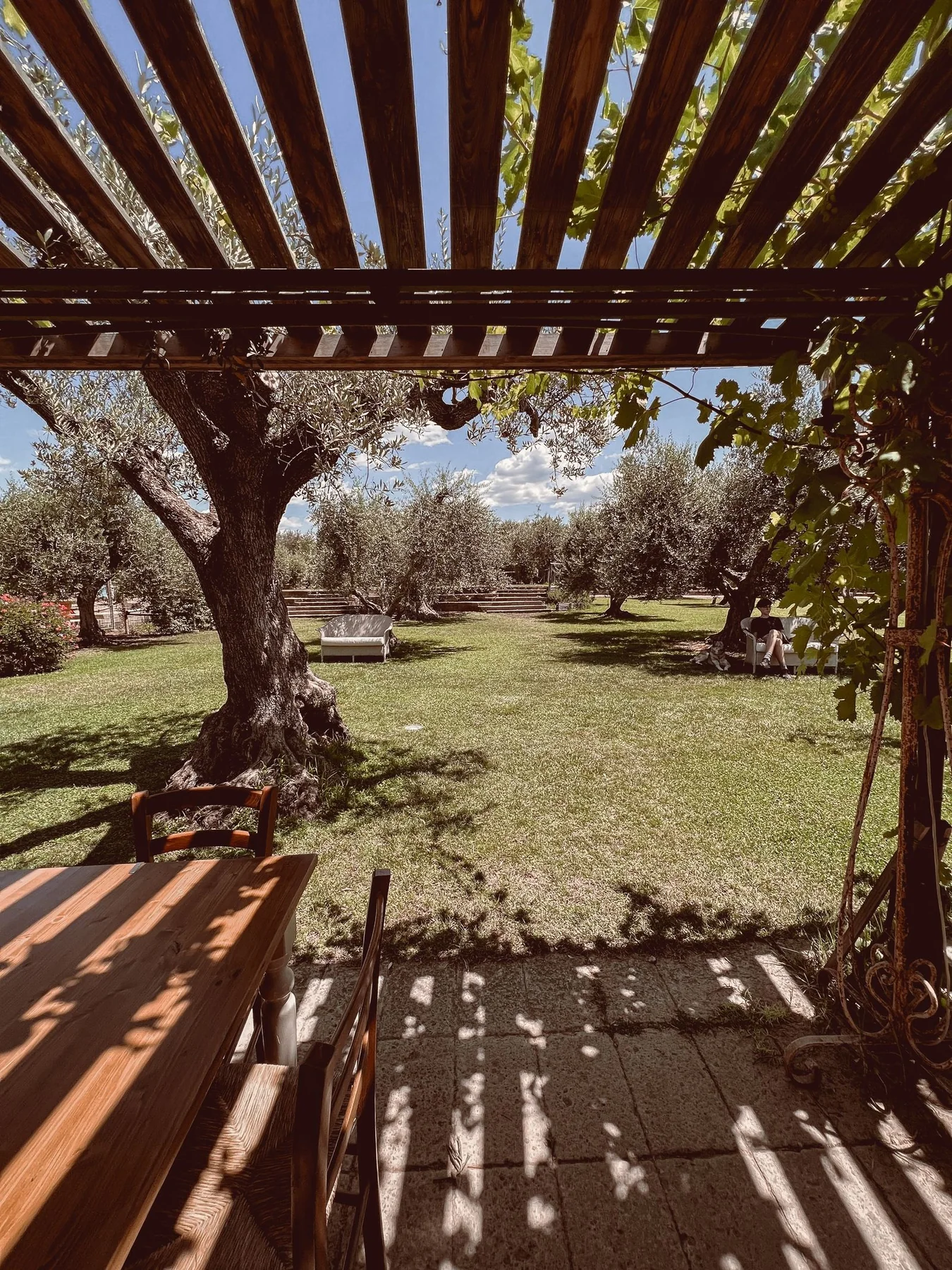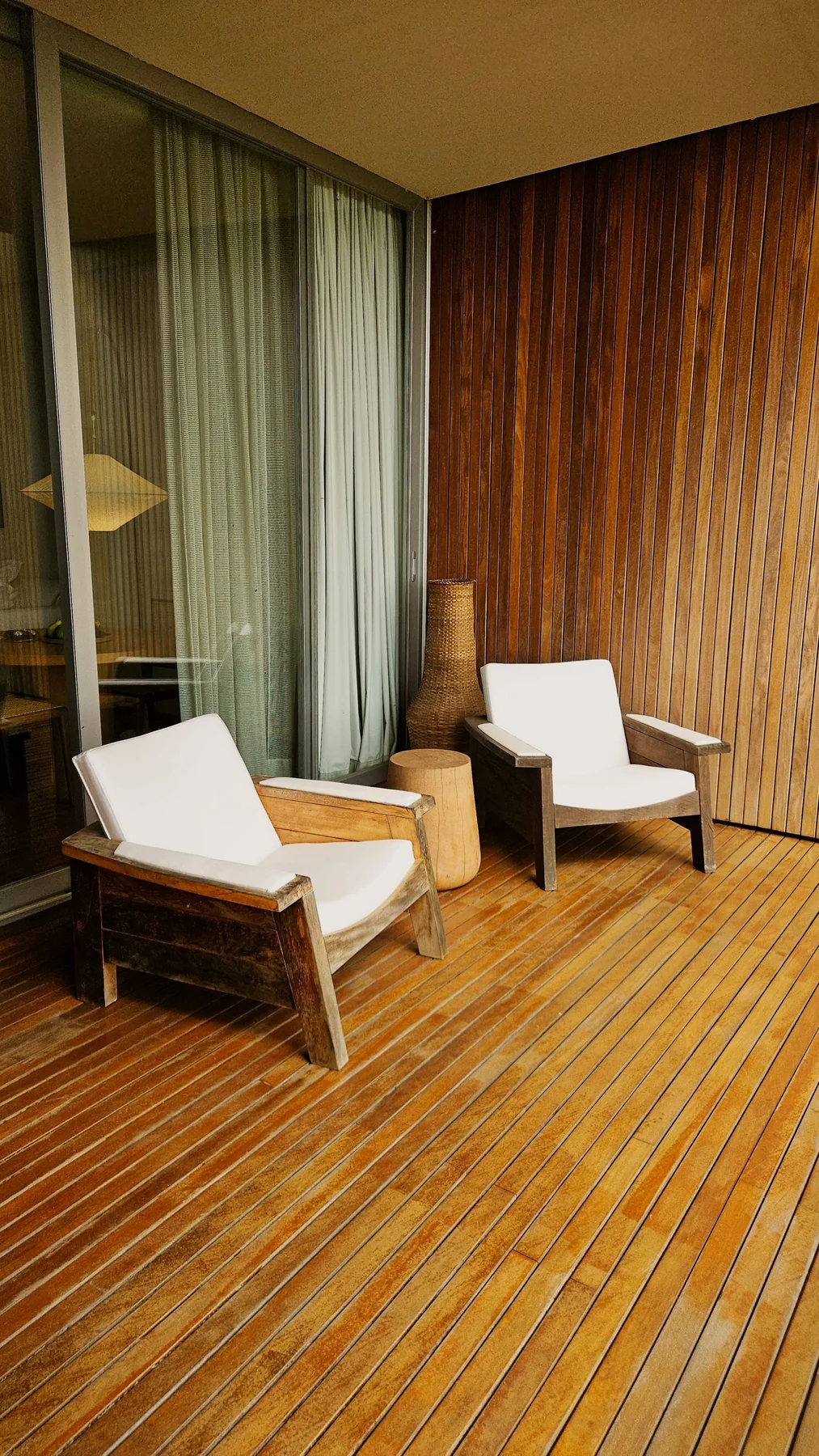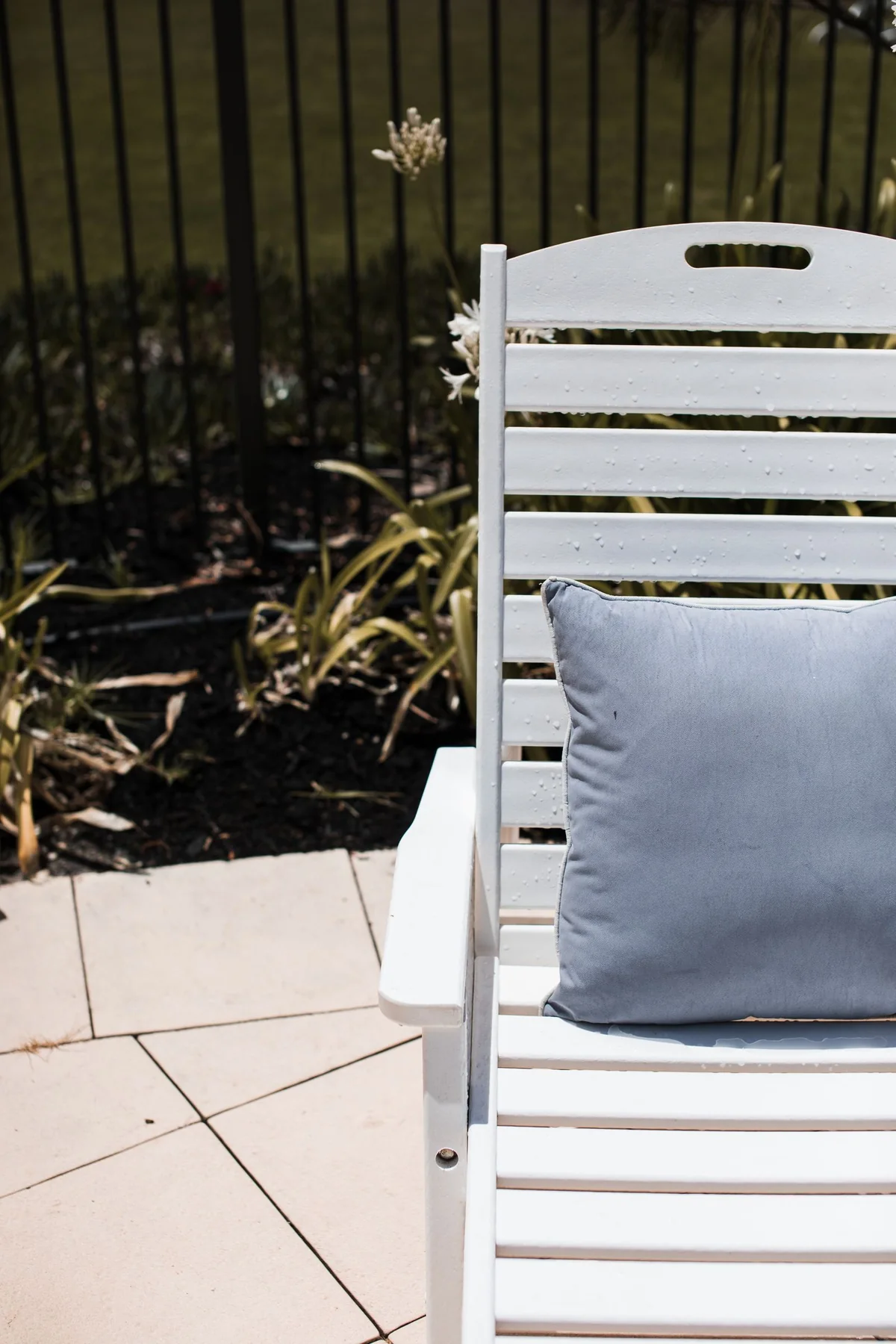
The seat that was inviting in spring may feel exposed later in the year. A backyard does not need one permanent furniture arrangement for every season. Where the site and furniture allow, a small seasonal shift can make the room more comfortable and reveal a different view.
Move the activity as a group
A chair alone may find better shade while leaving its table, cushion storage, and route inconveniently far away. Think of the activity as a small group of needs: seat, landing surface, appropriate light, and easy access. Move the supporting pieces where practical, while preserving safe routes and equipment clearances.
Try one change at a time. Rotate the table before relocating the whole dining area; move a reading chair before deciding a permanent shelter is needed.
Check who loses a useful place
Moving the main table into shade may occupy the path, displace a reading chair, or put guests closer to the cook. Review the whole occupied room after the move. A more comfortable dining position is incomplete if another frequently used activity becomes awkward.
Try a smaller change first: rotate the table, shift one chair, or move the activity to a different hour where that suits the household. Keep the change reversible while learning what works. A seasonal arrangement should respond to actual use and exposure without creating a new obstruction in the most convenient part of the yard.
Record why the new position works
| Observation | Useful note |
|---|---|
| Time of use | When the household actually sits there |
| Exposure | Direct sun, shade, glare, and breeze as experienced |
| Movement | Whether occupied furniture keeps the route clear |
| Setup | How much effort the new arrangement requires |
These observations can inform a later design conversation, but they do not represent a full seasonal sun study. Keep the date with the photograph.